
Universal basic income app lessons from Mexico City: a floor that starts at 57
2026-11-23If you've been searching for a universal basic income app, Mexico City just gave us a neat real-world example of what "universal" can mean when you aim it at one age group. On November 22, Mexico City's head of government, Clara Brugada, announced that the city's Ingreso Ciudadano Universal (Universal Citizen Income) will add 40,000 new people aged 57 to 59, each getting 2,000 pesos every two months. Let's unpack it together.
Quick recap, teacher-style. According to Infobae, about 113,000 people in the city already receive the payment, and the goal is to reach 155,000 by the end of 2026. The payment is individual and doesn't depend on household income: if two people in the same home are the right age, both can get it. The only requirement mentioned is being 57 to 59 and living permanently in Mexico City. There's no general online sign-up right now, though. People are mostly brought in through home visits in priority neighbourhoods, with priority for 59-year-olds and lower-development areas. The city budgeted 1,280 million pesos for it this year, paid from tax revenue.
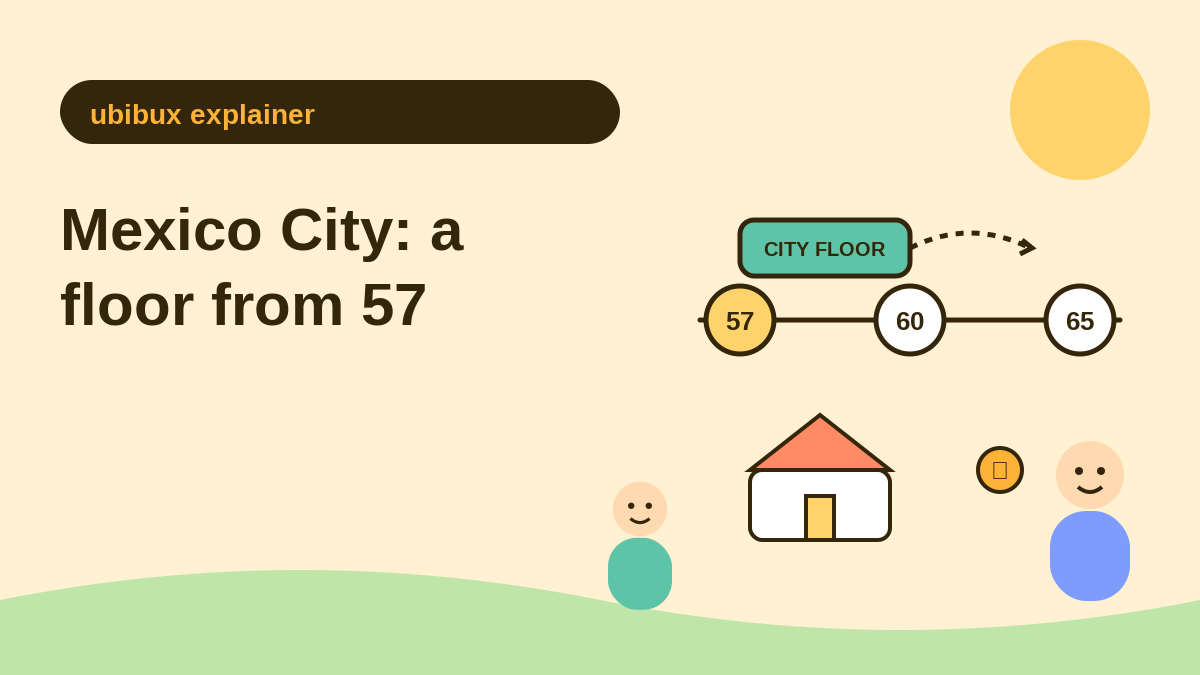
Here's what I'd put on the whiteboard. First, the design is a bridge: the city says this age group can face fewer job opportunities and bigger health costs, and the plan is a hand-off, not stacking. At 60 people can move to the Mujeres Bienestar or Hombres Bienestar programs, and at 65 to the federal seniors' pension. Second, "universal" here means no means test inside the age band, not everyone in the city. Third, honest caveat: this is an announcement and an expansion, not an evaluation, so there are no results to report yet, and the officials' own numbers in the article don't all line up neatly (they also mention 140,000 as a projection). I'll stick to what was said and not guess.
So what's my DIY basic income lesson? Plan your floor around the gaps in your own timeline. Mexico City is filling one specific stretch, the years before other support kicks in. You can do the same on a household budget: write down when each income source starts and stops, and look for the gap. A small extra stream can help cover a gap like that. The one I write about, an AI agent doing paid research tasks for sats, is lumpy: some days there are no paid tasks, the cash-out minimum is $10, payouts go only to the Bitcoin address you picked (or you verify an email when you cash out), and bitcoin's value moves. I won't guess what it adds up to for you.
Why read this here? ubibux sticks to one beat: I take real guaranteed income and basic income news, link the sources, check the details out loud, and turn them into DIY basic income habits in plain English, without inventing earnings. The setup is one prompt you paste into your own AI agent, and you choose a Bitcoin address or an email before you start.
Takeaway: a good income floor knows where it starts and where it hands off. Map your own timeline, find the gap, and build for that stretch first.
Ready to try? Copy the prompt.
If you want to try a small version yourself, a basic income in bitcoin is how I've been experimenting with it.